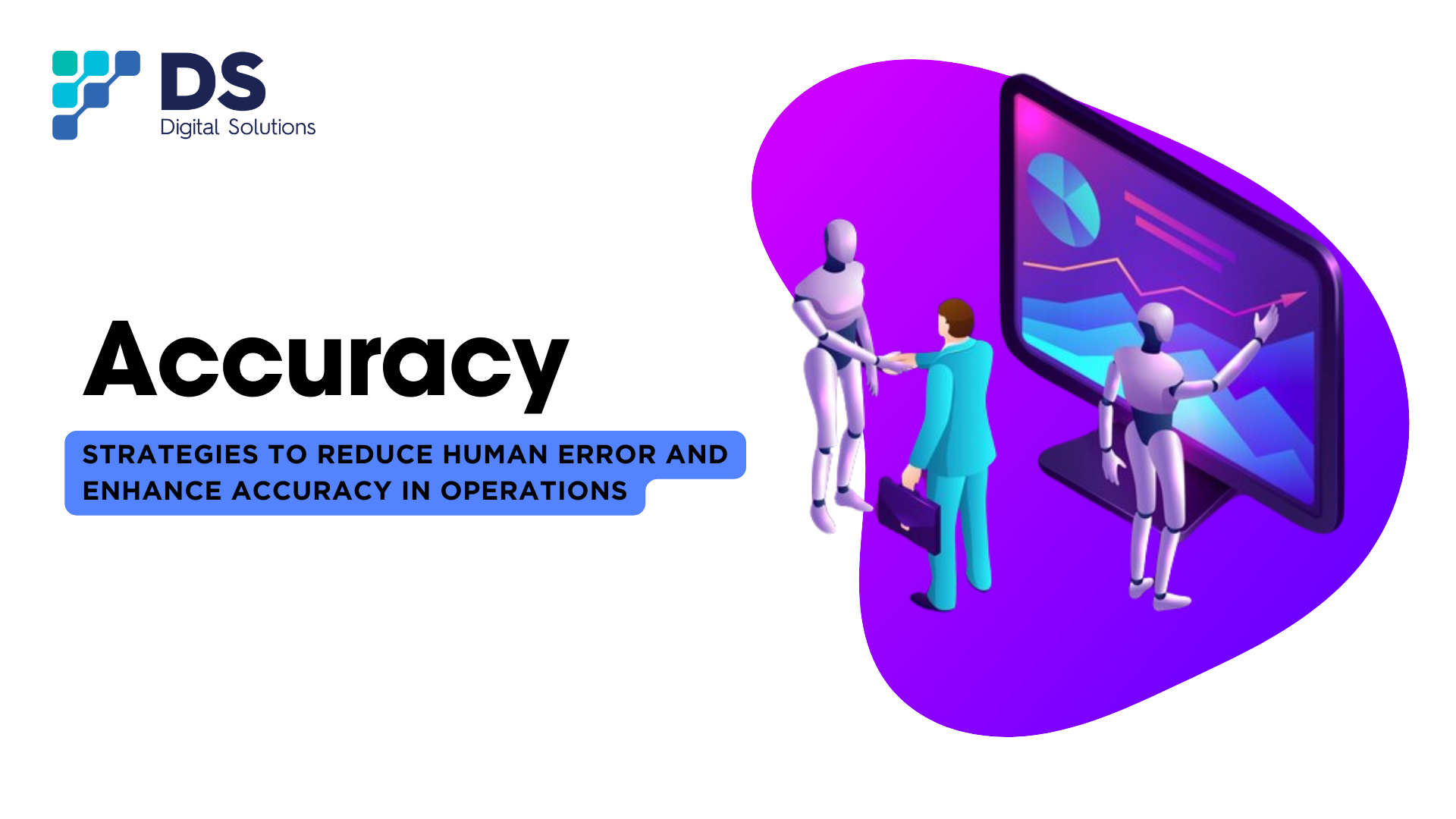
Revolutionizing Business Efficiency: Elevating Organizational Accuracy through Robust Error Mitigation Strategies


Enhanced Accuracy

Reduced Human Error

Reducing human error is a critical objective for organizations seeking to enhance accuracy in their operations. Human errors, whether in data entry, decision-making, or routine tasks, can lead to significant consequences. Strategies to minimize human error and enhance accuracy include:

Automation: Introducing automation to repetitive and rule-based tasks reduces the likelihood of human errors. Automated systems follow predefined rules consistently, eliminating the variability associated with manual processes.

Training and Education: Investing in comprehensive training programs ensures that employees are equipped with the necessary skills and knowledge to perform their tasks accurately. Continuous education helps keep employees informed about changes in processes or technologies.

Standard Operating Procedures (SOPs): Establishing clear and standardized procedures for various tasks provides employees with a reference to follow. SOPs reduce ambiguity and help maintain consistency, minimizing the risk of errors.

Checklists and Quality Control Measures: Implementing checklists and quality control measures serves as a double-check mechanism. These tools help identify errors before they escalate, promoting a culture of accuracy and attention to detail.

Technology Integration: Utilizing advanced technologies, such as artificial intelligence and machine learning, can enhance accuracy in data analysis and decision-making processes. These technologies can identify patterns, trends, and anomalies more effectively than manual methods.

Feedback Loops: Creating feedback loops allows for the continuous improvement of processes. Regularly gathering input from employees involved in various tasks helps identify potential sources of error and allows for timely corrective measures.

User-Friendly Interfaces: Designing user-friendly interfaces for software and tools reduces the chance of errors during data input and processing. Intuitive interfaces guide users and minimize the risk of mistakes.

Crisis Management Planning: Having a crisis management plan in place helps organizations respond swiftly and effectively in the event of an error. Preparedness minimizes the impact of errors and facilitates a quicker recovery.

In conclusion, enhancing accuracy by reducing human error requires a multifaceted approach. Combining technology, training, standardized procedures, and continuous improvement strategies creates a resilient framework for minimizing errors and promoting precision in organizational activities.
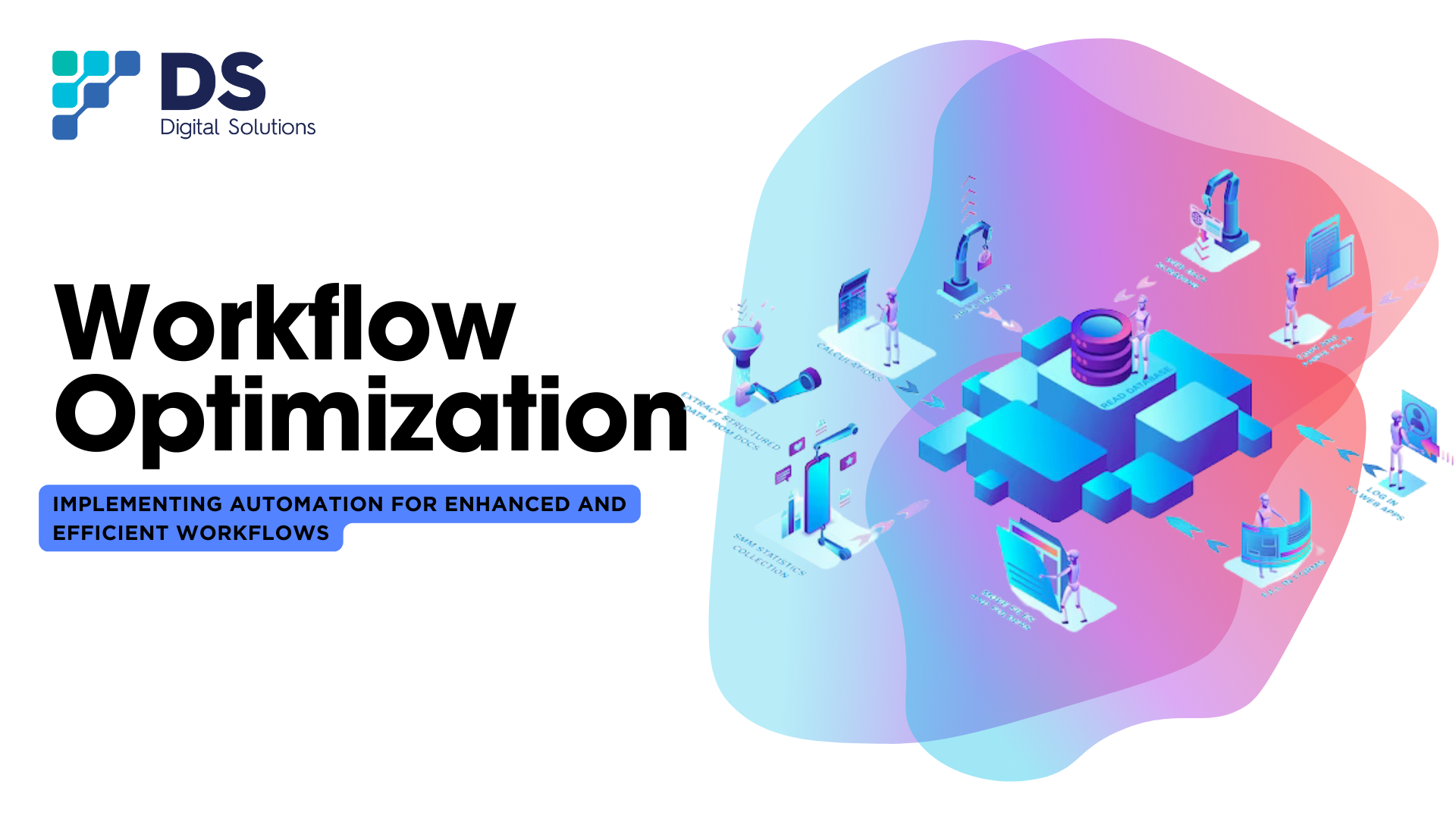


Revolutionizing Business Efficiency: Streamlining Operations through Workflow Optimization


Workflow Optimization

Workflow optimization involves the systematic improvement of processes to enhance efficiency, reduce bottlenecks, and maximize output. This practice is essential for organizations aiming to streamline operations and adapt to changing business environments.

Key aspects of workflow optimization include:

Process Analysis: Identifying and analyzing existing processes is the first step in optimization. This involves mapping out workflows, understanding each step, and identifying areas where efficiency can be improved.

Bottleneck Identification: Pinpointing bottlenecks—points in the process where the flow of work is impeded—is crucial. Addressing these bottlenecks is a priority to prevent delays and ensure a smoother workflow.

Automation Integration: Introducing automation to repetitive and time-consuming tasks can significantly boost efficiency. Automation eliminates manual errors, speeds up processes, and allows employees to focus on tasks that require human judgment and creativity.

Communication Enhancement: Effective communication is key to streamlined workflows. Optimizing communication channels, both within teams and between departments, ensures that information flows seamlessly, reducing misunderstandings and delays.

Resource Allocation: Efficient workflow management involves optimizing resource allocation. This includes human resources, time, and technology. Aligning resources with the demands of each workflow stage ensures a more balanced and efficient operation.

Continuous Improvement: Workflow optimization is an ongoing process. Regularly reviewing and reassessing processes, considering feedback, and adapting to changing circumstances ensures that workflows remain efficient and aligned with organizational goals.

Technology Integration: Utilizing the right technology solutions can significantly contribute to workflow optimization. Whether it’s project management tools, collaboration platforms, or data analytics, technology can streamline processes and improve overall efficiency.

Employee Training: Ensuring that employees are trained in optimized workflows is essential. Training programs should focus on new processes, tools, and technologies, empowering employees to work more efficiently.

In summary, workflow optimization is a dynamic strategy aimed at improving the efficiency and effectiveness of organizational processes. By analyzing, refining, and adapting workflows, businesses can respond to challenges more effectively, reduce operational costs, and position themselves for sustained success in a competitive landscape.Post